
Modern Headshot Ideas for Women: Beyond the Standard Corporate Portrait
The traditional female headshot formula — pearl necklace, crossed arms, angled chin, frozen smile against a gray backdrop — still exists. And for some women in some contexts, it still works.
But for most women in 2026, that formula feels outdated. It doesn't reflect how women actually show up in the professional world today — as founders, creative directors, surgeons, authors, engineers, coaches, and everything in between. The headshot should match the career, not a template from 2010.
Here's what modern headshots for women actually look like, organized by style and context, with practical advice on how to achieve each one.
The Modern Professional Headshot
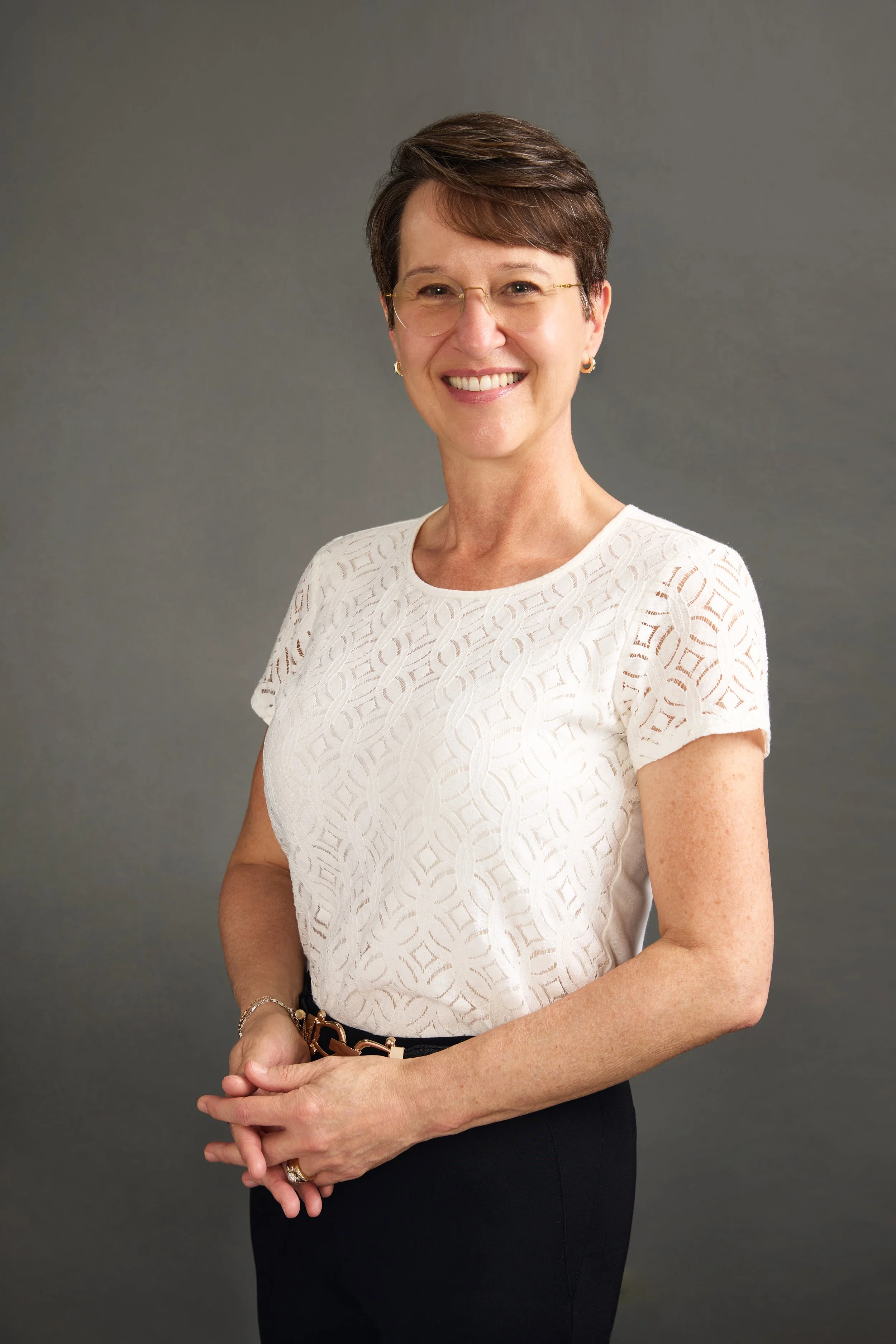
This is the updated version of the classic corporate headshot. It still communicates professionalism and competence, but it's warmer, more personal, and less rigid than the traditional approach.
What's changed from the old standard:
The background has options. White and gray still work, but so do darker tones, textured walls, and even subtle environmental backdrops. The old rule was "the background should be invisible." The new rule is "the background should support the mood."
The expression has range. A slight smile is no longer the only acceptable option. A confident, direct look with relaxed eyes reads as modern and powerful. A genuine laugh caught mid-moment reads as authentic and approachable. The headshot world has moved past the single "professional" expression toward a spectrum of emotions that all read as professional in different ways.
The wardrobe is less formulaic. A blazer still works, but so does a well-fitted sweater, a silk blouse, a structured dress. The key is that it fits well, it's in your color palette, and it looks intentional. You're no longer required to look like you're wearing a uniform.
Best for: Corporate professionals, managers, consultants, anyone on a company "About" page or LinkedIn who wants to look polished and current.
The Editorial Portrait
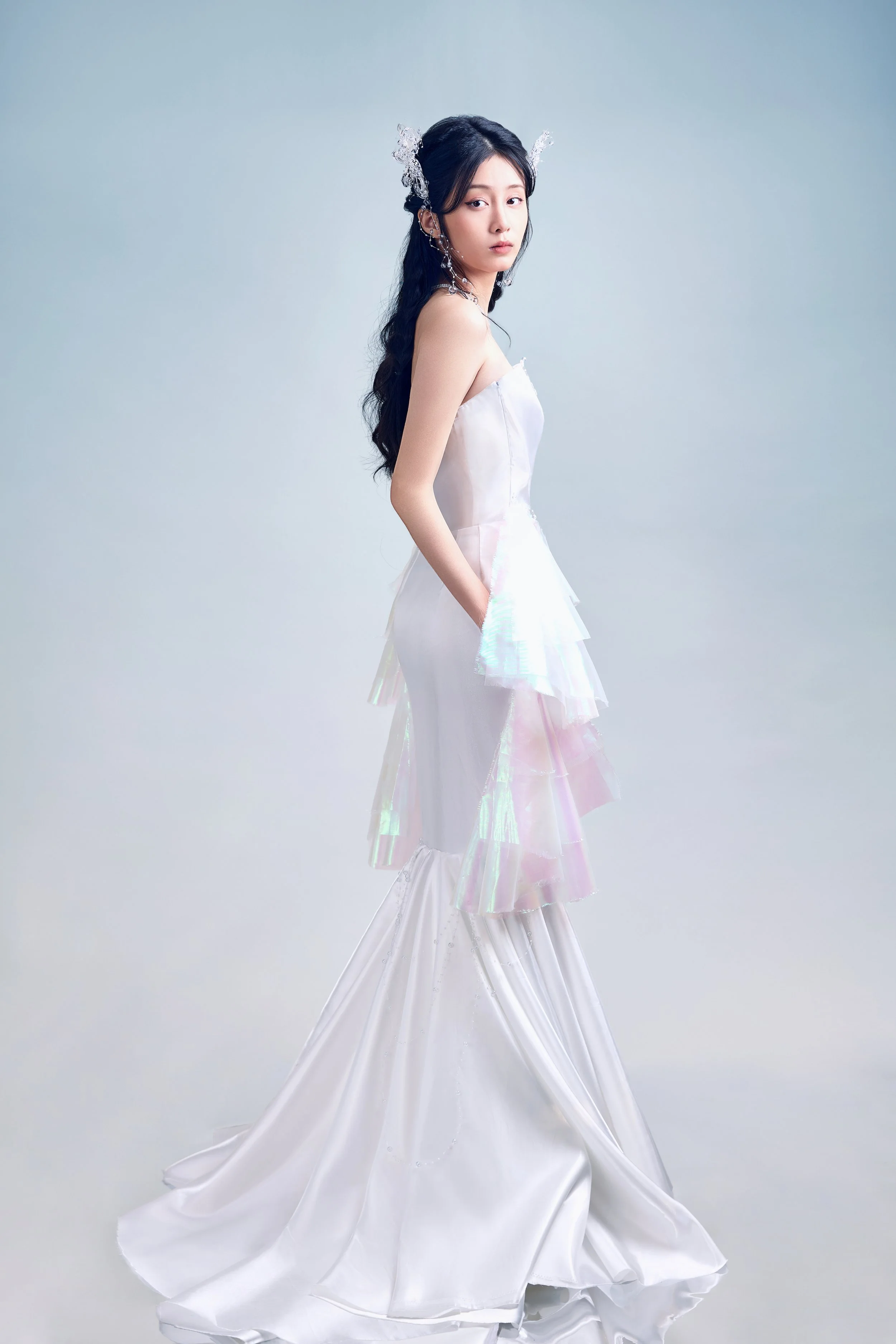
Editorial portraits borrow from fashion photography. The lighting is more dramatic — maybe a shadow on one side of the face, or a strong key light that creates depth and dimension. The posing is less rigid. The overall feel is "magazine" rather than "corporate directory."
What makes this style work for women:
It creates visual authority. There's a reason magazine covers feature dramatic lighting and strong expressions — they command attention. An editorial headshot has that same quality. It says "I'm not just qualified — I'm someone worth paying attention to."
It ages better. Conventional headshots can look dated within a year or two because they follow whatever the current "standard" is. Editorial portraits have a timelessness to them because they're not trying to fit a template — they're creating something specific to the individual.
It stands out on any platform. Scroll through LinkedIn and every headshot looks the same — soft light, gray background, slight smile. An editorial portrait with more intentional lighting and composition stops the scroll because it looks different from everything around it.
Best for: Executives, founders, speakers, women in leadership who want their photo to communicate confidence and vision. Also works well for creative professionals, authors, and anyone building a personal brand.
The Personal Branding Portrait

Personal branding portraits go beyond the headshot. They include the headshot — but they also include images of you working, speaking, creating, thinking, laughing. They tell a story about who you are and what you do, not just what your face looks like.
Why more women are choosing this approach:
One headshot isn't enough anymore. Your website needs a homepage hero, an About page portrait, team section images, blog headers, and social media content. A single headshot gets reused until it loses all impact. A branding session gives you a library — 15 to 30+ images that cover every touchpoint.
It shows the full picture. A headshot shows your face. A branding portrait shows your world. If you're a coach, it might include you in a session with a client. If you're an architect, it might include you reviewing plans at your desk. If you're a wellness entrepreneur, it might include you in movement — walking, stretching, cooking. These images build credibility because they show what working with you actually looks like.
It's strategic. A good branding session starts with a conversation about your business goals, your audience, and where the images will be used. The shot list is built around those answers, not around generic poses. Every image has a purpose.
Best for: Entrepreneurs, coaches, consultants, founders, speakers, authors — anyone whose personal brand is the business. See our branding sessions →
The Approachable Professional
Not every professional context calls for authority. Therapists, teachers, coaches, community leaders, and client-facing professionals often need headshots that prioritize warmth and approachability over power and polish.
How this differs from the corporate look:
The lighting is softer. Instead of dramatic, directional light that creates strong shadows and high contrast, approachable headshots use broader, more diffused lighting. The result is even, flattering, and gentle — the visual equivalent of a warm handshake.
The expression is genuinely warm. Not a polite smile. A real one — the kind where the eyes crinkle slightly and the whole face participates. For women in trust-based professions, this expression is more important than any wardrobe or background decision.
The colors are warmer. Earth tones, soft pastels, warm neutrals — these create a different emotional response than the dark navy-and-charcoal palette of corporate headshots. The whole image feels like an invitation rather than a presentation.
Best for: Therapists, counselors, teachers, nonprofit leaders, community organizers, client-facing roles where connection matters more than authority.
The Tech Industry Modern
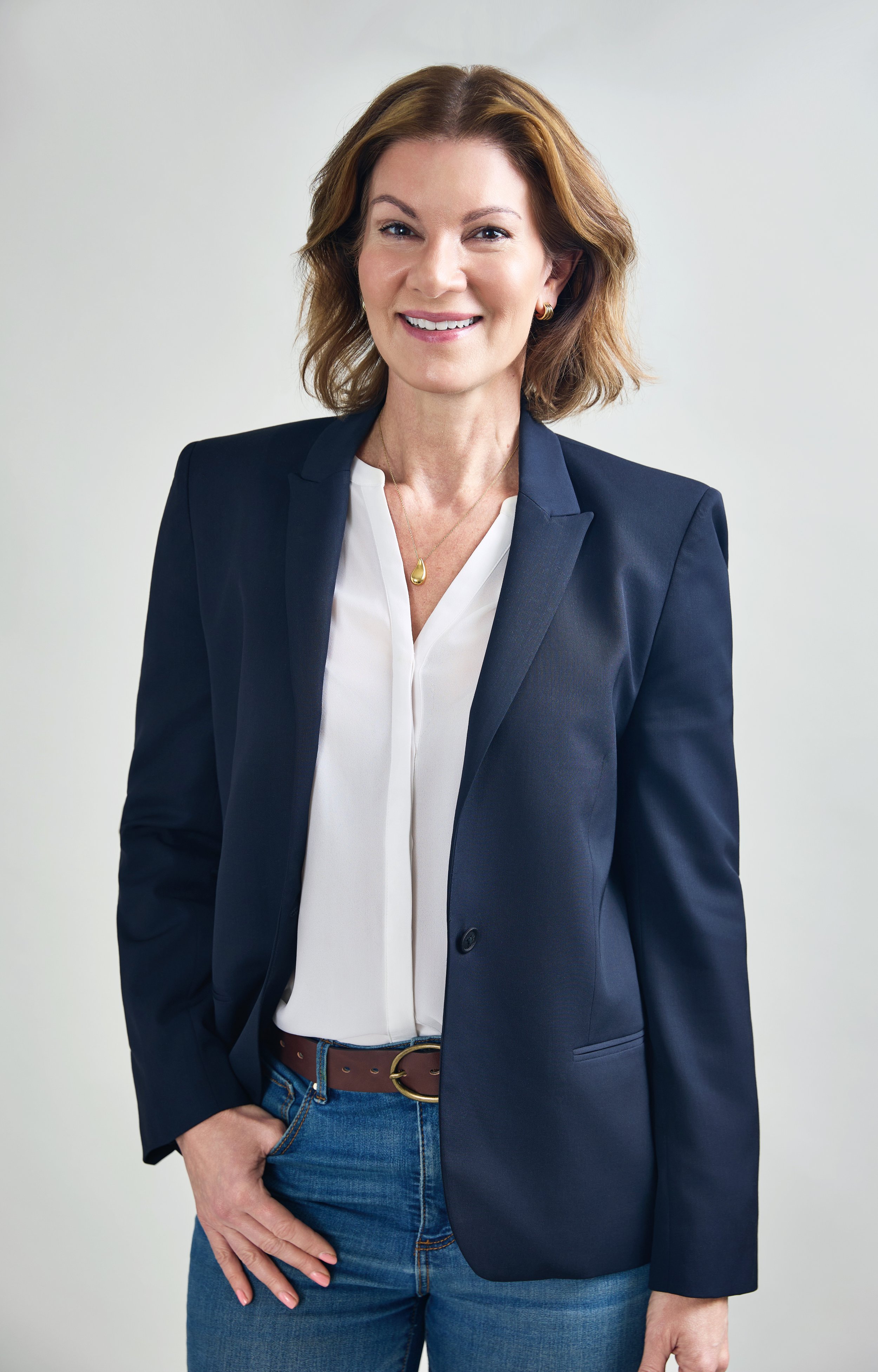
Women in tech face a specific visual challenge: too corporate looks out of place in an industry that values informality, but too casual looks unserious. The modern tech headshot sits right in the middle.
What this looks like in practice:
Clean lines, minimal styling. A fitted dark top, a simple necklace, natural makeup. The composition is clean — usually a single background color with even lighting. Nothing fussy, nothing overdone.
Confident but not stiff. The expression is direct and engaged, but the shoulders are relaxed and the overall energy is approachable. Think "I just shipped a feature and I'm ready for the next one" — competent and human at the same time.
No blazer required. The blazer is the universal symbol of "trying to look professional." In tech, it can actually work against you by signaling that you're not native to the culture. A well-chosen top or sweater reads as more authentic in a tech context than a structured jacket.
Best for: Software engineers, product managers, data scientists, UX designers, tech founders, VCs, and women at any level in technology companies.
Choosing Your Style: A Decision Framework
If you're not sure which direction to go, answer these three questions:
Who is looking at this photo? If it's corporate clients, go professional or editorial. If it's therapy clients, go approachable. If it's startup investors, go modern tech. If it's a broad audience across multiple platforms, consider a branding session that gives you several styles.
What do you want them to feel? Trust and safety → approachable. Respect and authority → editorial. Competence and relatability → modern professional. Inspiration and connection → personal branding.
Where does your photo live? A corporate website "About" page calls for something different than an Instagram feed. A book jacket calls for something different than a LinkedIn profile. Some women need one versatile headshot. Others need three or four different images for different contexts. Know where the photo is going before you shoot it.
What Makes Any Headshot Look "Modern" in 2026
Regardless of style, there are a few qualities that separate a modern headshot from a dated one:
Natural retouching. Modern retouching is invisible. Skin looks real — texture intact, blemishes removed, but no plastic smoothness. Heavy retouching that erases all pores and lines looks artificial and nobody trusts it. The goal is "you on your best day," not "a digital painting of someone who looks vaguely like you."
Intentional color grading. Modern headshots have a consistent, considered color palette — warm tones, cool tones, muted tones, or rich tones. What they don't have is the flat, slightly blue cast of an ungraded image straight from the camera. Color grading is subtle but it's what makes a photo feel polished and professional.
Real expression. The biggest shift in headshot photography over the last five years is toward authenticity. Frozen smiles are out. Directed but genuine expressions are in. The best modern headshots capture a moment that feels real — because it was real. The photographer said something that made you laugh, or asked you a question that made you think, and clicked the shutter at exactly the right millisecond.
Thoughtful composition. Modern headshots pay attention to negative space, crop ratio, and how the image will work at different sizes. A headshot that looks great as a full-screen hero should also work as a 100x100 pixel LinkedIn thumbnail. That requires intentional framing during the shoot, not just cropping in post.
Common Mistakes Women Make With Headshots
Overthinking the outfit. Spend fifteen minutes on it, not three days. A simple, well-fitted, solid-colored top in a dark or muted tone is all you need. The outfit supports the photo — it's not the subject.
Getting hair and makeup done in a way that doesn't look like them. If you normally wear minimal makeup, don't show up with full glam. If you normally straighten your hair, don't get curls for the session. The headshot should look like you — the version of you that people meet in real life.
Choosing a photographer based on price alone. A $75 headshot from an unknown photographer and a $300 headshot from an experienced one are not the same product. Look at their portfolio. If the women in their photos look stiff, over-retouched, or generic, that's what you'll get too.
Not asking for direction. A good headshot photographer directs everything — your angle, your chin, your shoulders, your expression. If the photographer takes a few photos and says "looks great!" without adjusting anything, that's a problem. The best results come from active, specific direction throughout the entire session.
Luminous Space is a professional headshot and branding photography studio in San Mateo, California. We specialize in modern, editorial-quality portraits for women across industries — from corporate executives to creative founders. Book your headshot session →
Related: What to Wear for Professional Headshots → · How to Pose for Headshots →