
Professional Headshot Examples: What Good Headshots Actually Look Like (And Why They Work)
You're about to get a professional headshot and you're doing what everyone does first — you're searching for examples. You want to see what's out there, figure out what looks good, and get a sense of what style fits your industry and personality.
That's a smart instinct. The problem is that most "headshot examples" articles show you stock photos or screenshots from other photographers' websites without explaining why those particular photos work. You see the result but not the thinking behind it.
This guide is different. We're going to walk through real headshot styles — the kind we shoot every week in our San Mateo studio — and break down what makes each one effective. Not just what it looks like, but why it works for the person in the photo and the audience who's going to see it.
Corporate Headshots
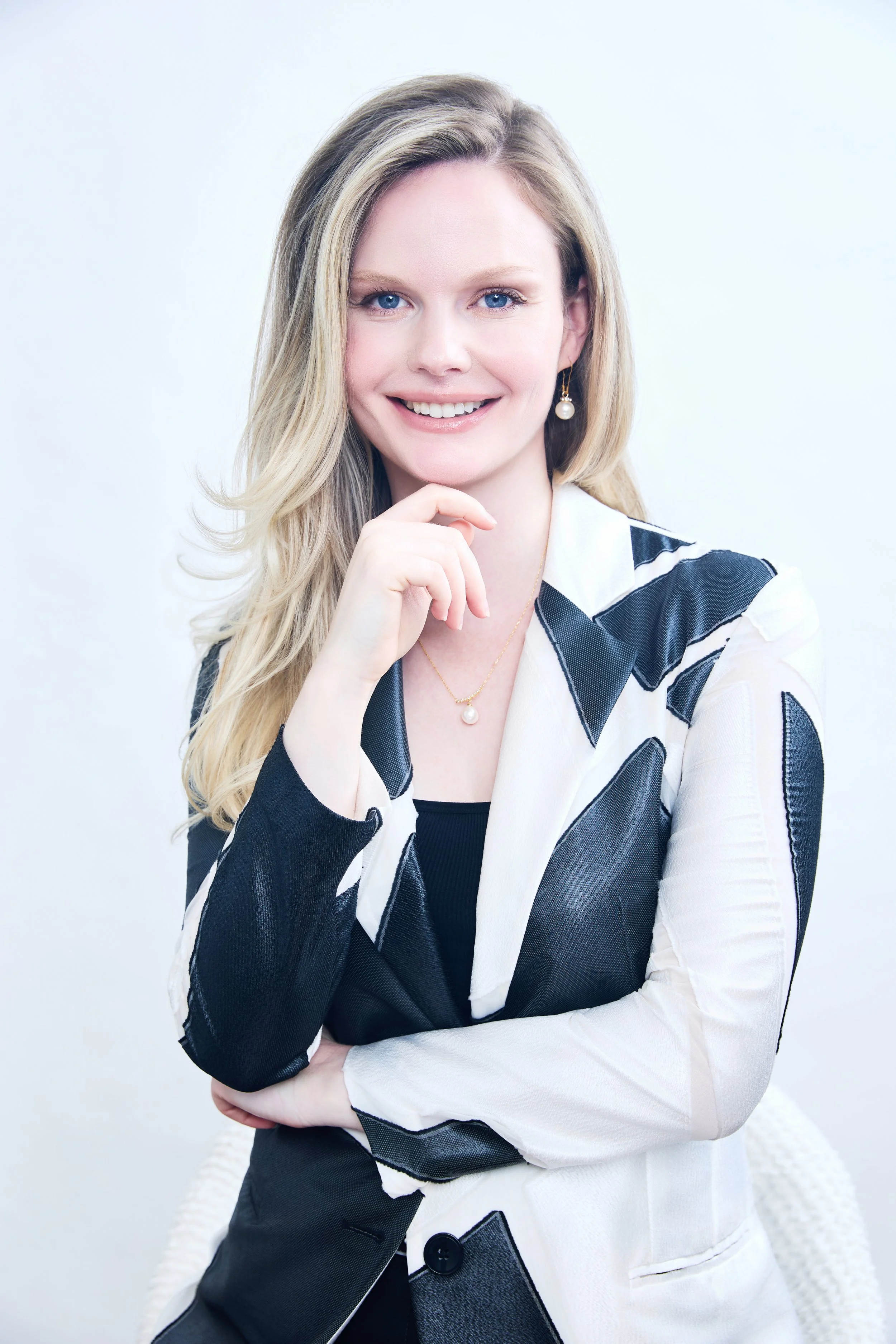
Corporate headshots are the foundation of professional photography. They're designed for one thing: credibility. When someone sees your corporate headshot on a company website, in an annual report, or on a conference program, the photo should confirm what they already hoped — that you're competent, trustworthy, and someone they want to do business with.
What makes them work:
Clean, distraction-free background — usually white, light gray, or dark gray. The background disappears so all the visual weight falls on the face.
Conservative wardrobe. Suit and tie, blazer and dress shirt, structured blouse. Nothing that would surprise anyone in a boardroom. The clothing says "I take this seriously."
Controlled expression. A slight smile or a neutral, engaged look. Not a grin — grins can read as casual. Corporate headshots operate in the narrow band between "approachable" and "authoritative." The best ones hit both at the same time.
Even, editorial-quality lighting. No harsh shadows under the eyes, no blown-out highlights on the forehead. The lighting should look effortless — which, ironically, takes the most effort to set up.
Who needs this style: Executives, financial professionals, consultants, corporate team pages, LinkedIn profiles for anyone in a traditional industry. See our executive headshots →
Creative Headshots
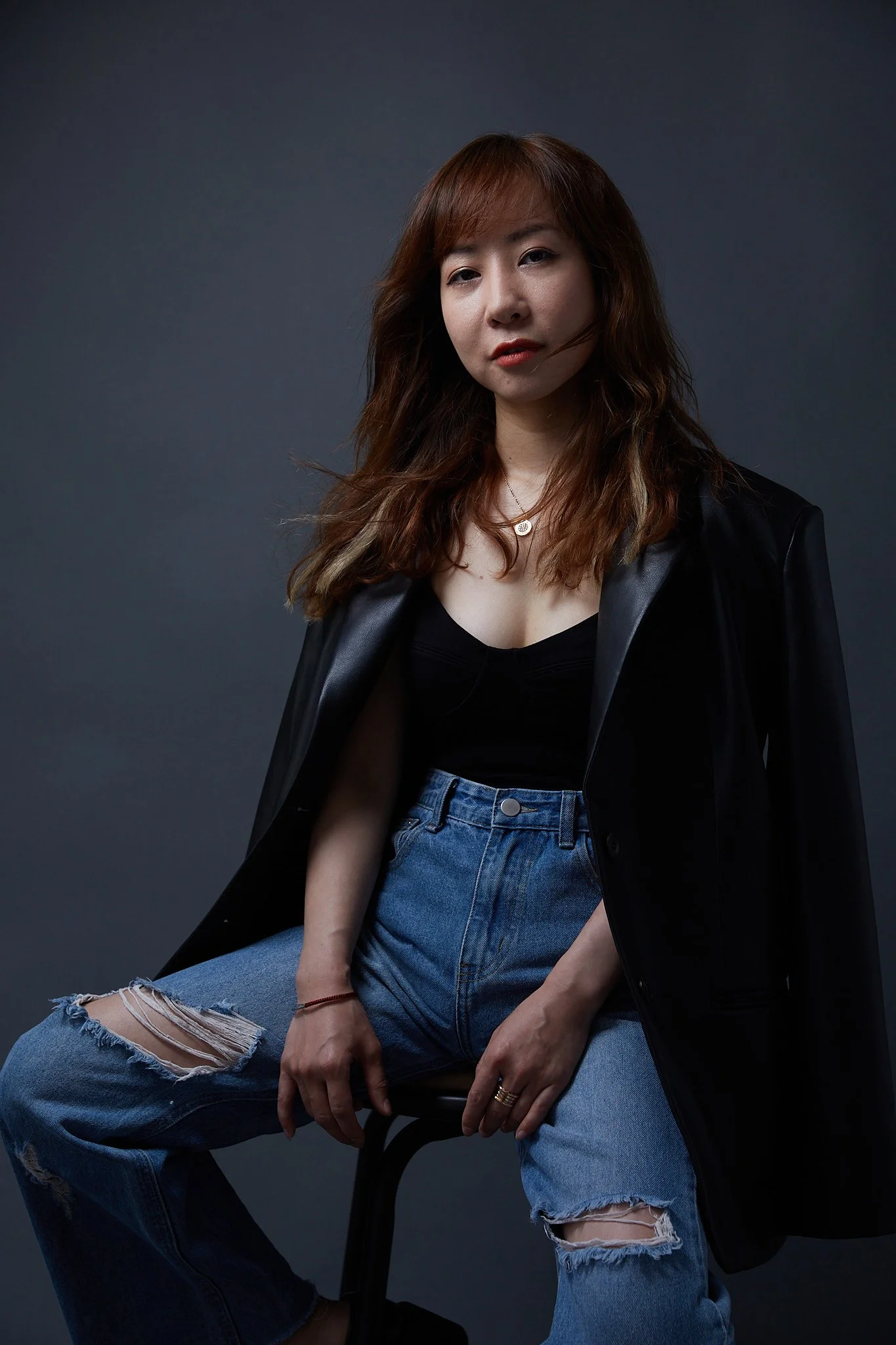
Creative headshots break the rules that corporate headshots follow. They use bolder lighting. More expressive posing. Sometimes colored backgrounds, dramatic shadows, or unconventional crops. The goal isn't to blend in — it's to stand out and signal that this person thinks differently.
What makes them work:
Personality is the subject. Where a corporate headshot minimizes everything except competence, a creative headshot maximizes what makes the person distinctive. A graphic designer might lean into bold color. A musician might use dramatic side lighting. A filmmaker might want a moodier, cinematic feel.
The photo matches the work. If you're a visual artist, your headshot should have the same aesthetic sensibility as your portfolio. If you're a writer with a dark sense of humor, a stiff corporate shot doesn't represent you. Creative headshots work when they feel like an extension of the person's creative output.
It still looks professional. "Creative" doesn't mean sloppy. The lighting is intentional. The composition is considered. The expression is directed. A creative headshot should look like it was made with the same care and skill as a corporate one — just with different rules.
Who needs this style: Designers, art directors, musicians, filmmakers, architects, creative founders, content creators, anyone whose personal brand is built on originality. See our creative headshots →
Medical and Healthcare Headshots
[INSERT IMAGE: 2–3 medical-looking headshots — clean, warm, professional, possibly white coat]
Doctors, dentists, therapists, and healthcare professionals need headshots that balance professionalism with warmth. Patients are choosing their provider based partly on this photo — and the decision often happens at a vulnerable moment, when they're anxious about their health and looking for someone who feels safe.
What makes them work:
Warmth in the eyes. This is the single most important element. A medical headshot where the doctor looks cold or distant works against the entire purpose of the photo. The expression should say "I'm competent and I care about you" — simultaneously.
Clean, light backgrounds. Healthcare photos lean toward lighter backgrounds — white, soft gray, light blue. These feel clinical in a reassuring way. Dark backgrounds can feel too corporate for medical contexts.
White coat or no white coat? Both work. A white coat adds instant credibility and signals "I'm a doctor" without any text needed. A blazer or professional top feels more personal and less institutional. Many providers shoot both and use different versions for different platforms — white coat for the hospital directory, blazer for the private practice website.
Who needs this style: Physicians, surgeons, dentists, optometrists, physical therapists, psychologists, psychiatrists, nurses, and anyone listed on Healthgrades, Zocdoc, or a practice website. See our doctor headshots →
Legal Headshots
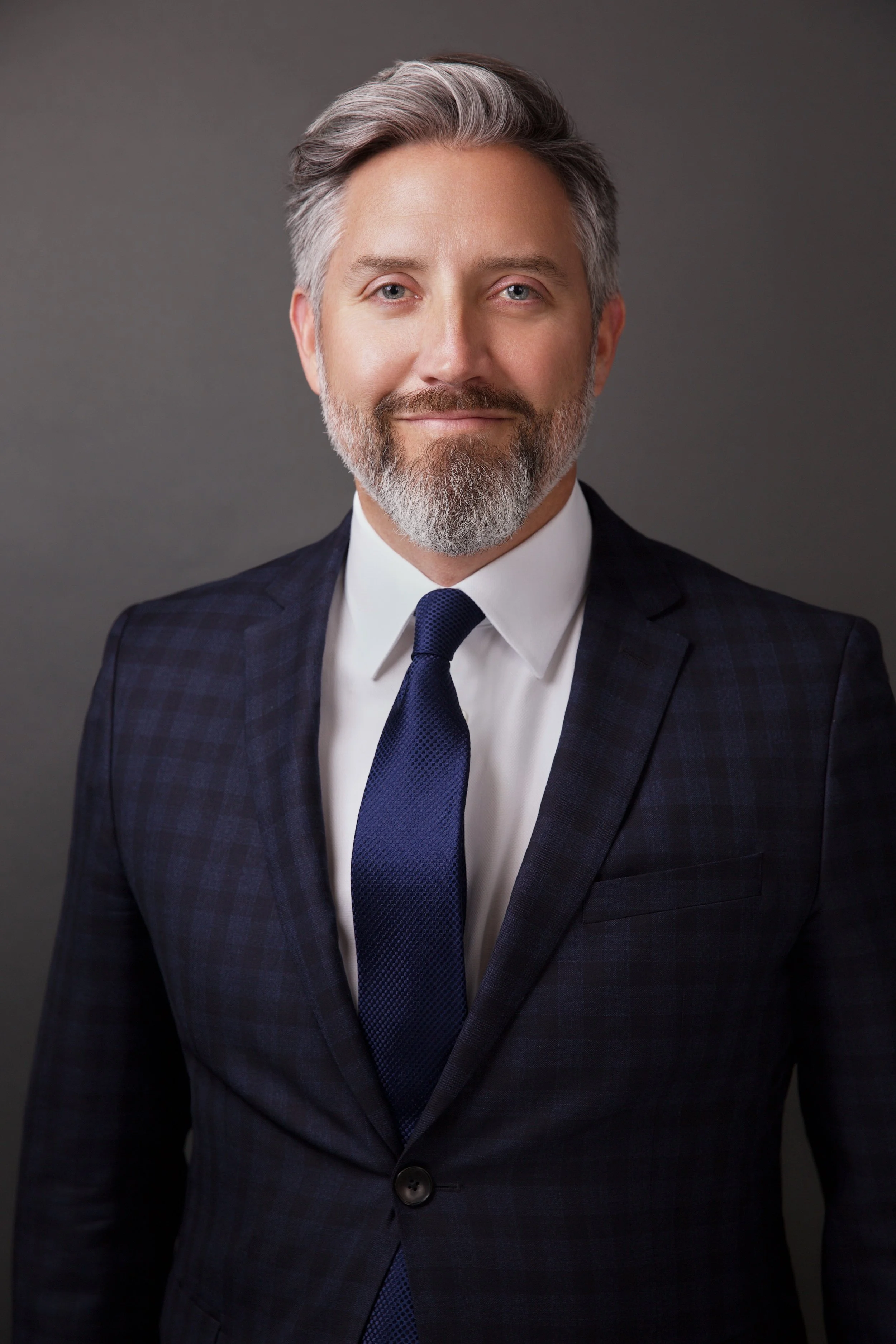
Legal headshots have among the most clearly defined visual standards of any industry. The expectation is conservative, polished, and authoritative. A lawyer's headshot appears on the firm's website, in legal directories like Super Lawyers and Avvo, on court filings, and sometimes in media coverage of high-profile cases.
What makes them work:
Authority without arrogance. The expression should project confidence and capability without crossing into smugness. A slight, closed-mouth smile or a neutral but engaged look is the standard.
Traditional wardrobe. Dark suit. Crisp shirt. Tie for men (in most practice areas). Structured blazer for women. The legal profession has one of the most conservative visual cultures in business, and the headshot should reflect that.
Consistency across the firm. When a potential client visits a law firm's website and every attorney has a matching, cohesive headshot, it signals organizational excellence. When every photo looks different — different backgrounds, different crops, different quality levels — it signals chaos. The best law firm headshots are shot together in a single session.
Who needs this style: Partners, associates, of counsel, paralegals, and entire firms. See our lawyer headshots →
Tech and Startup Headshots
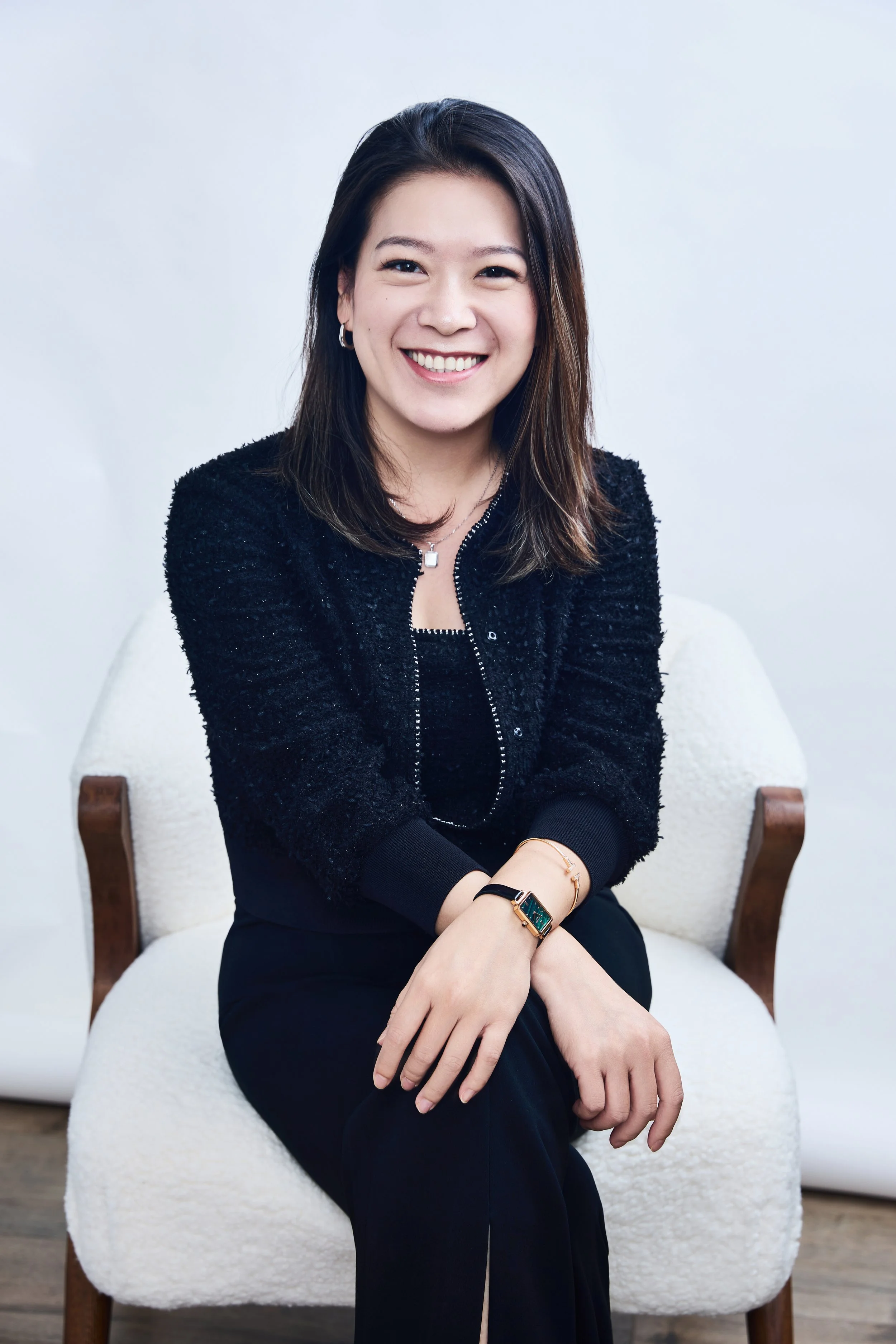
The tech industry has its own visual language. It's less formal than finance or law, but it's not casual either. The standard has settled somewhere around "I'm smart, I ship things, and I don't take myself too seriously." Think polished but approachable. Intentional but not stiff.
What makes them work:
Modern simplicity. Clean backgrounds, natural lighting or soft studio lighting, minimal styling. The photo should feel current — not like it was taken in 2015 with an on-camera flash.
Relaxed wardrobe. A button-down with no tie, a fitted dark t-shirt, a clean sweater. The clothing should look like what you'd actually wear to work on a normal day. For startup founders preparing pitch decks, the headshot should convey "I'm capable enough to build something and approachable enough to work with."
Personality visible. Tech headshots have more room for expression than corporate ones. A genuine smile, a slight head tilt, an engaged look — these all work because the industry values people who seem real, not performative.
Who needs this style: Software engineers, product managers, startup founders, VCs, tech executives, anyone on a company "About" page in the Bay Area.
Actor Headshots
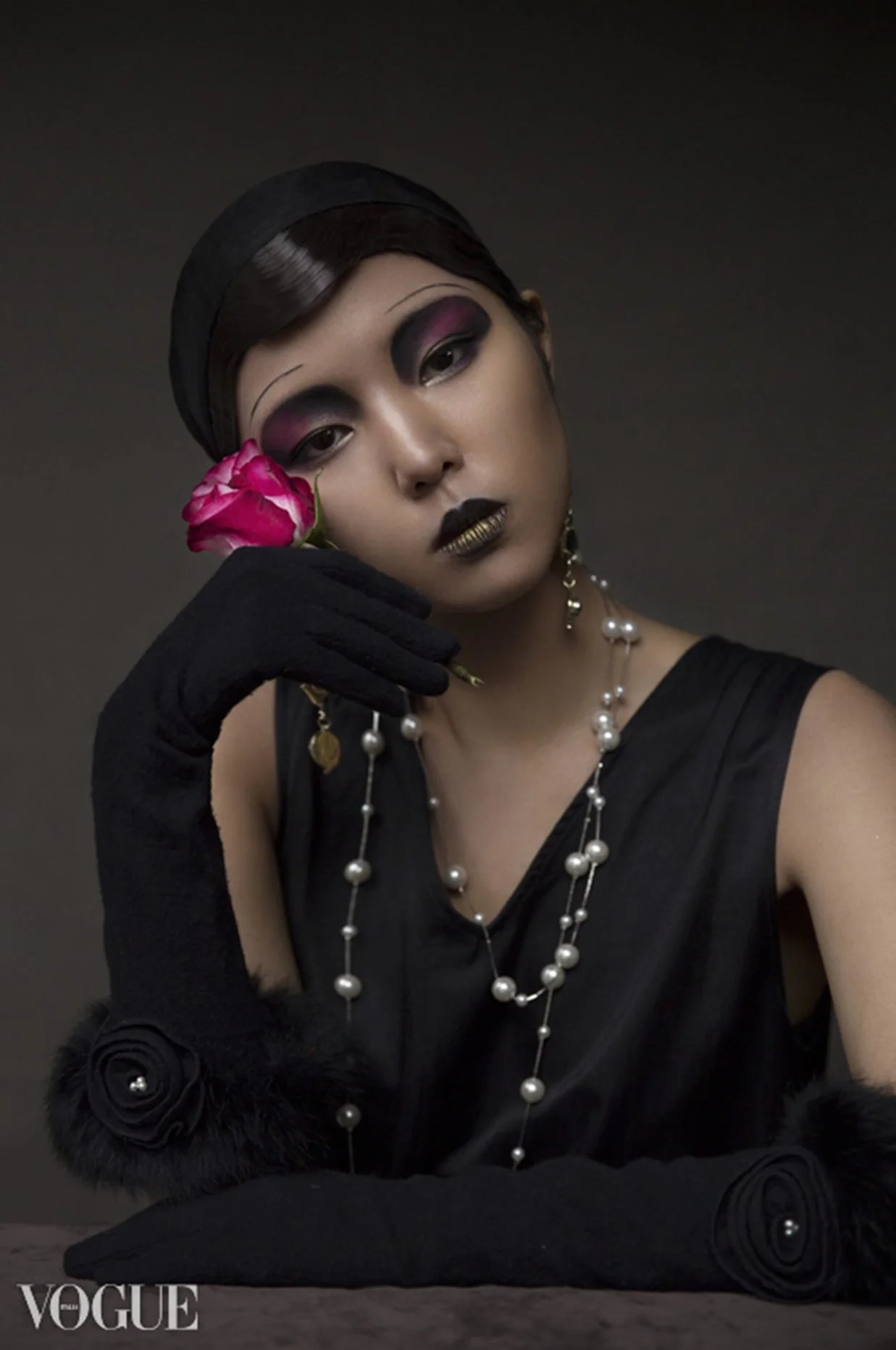
Actor headshots follow completely different rules from business headshots. They're not about looking professional — they're about looking castable. The photo needs to make a casting director stop scrolling and think "I want to see what this person can do."
What makes them work:
Authenticity over polish. Over-retouched actor headshots are a red flag for casting directors. If you walk into the audition and look different from your photo, you've wasted everyone's time. The photo should look exactly like you on your best day — natural, well-lit, but not airbrushed.
Two distinct looks. Commercial headshots are warm, friendly, approachable — the "I'd buy a car from this person" energy. Theatrical headshots are more intense, character-driven, emotionally present. Most actors need both, and a good session produces both.
Eyes that communicate. More than any other headshot type, acting headshots live or die on what's happening in the eyes. Casting directors read emotion in eyes the way musicians read sheet music. If the eyes are flat, the photo doesn't work — no matter how good the lighting or wardrobe is.
Who needs this style: Film, television, theater, and commercial actors at every level. See our acting headshots →
Personal Branding Headshots
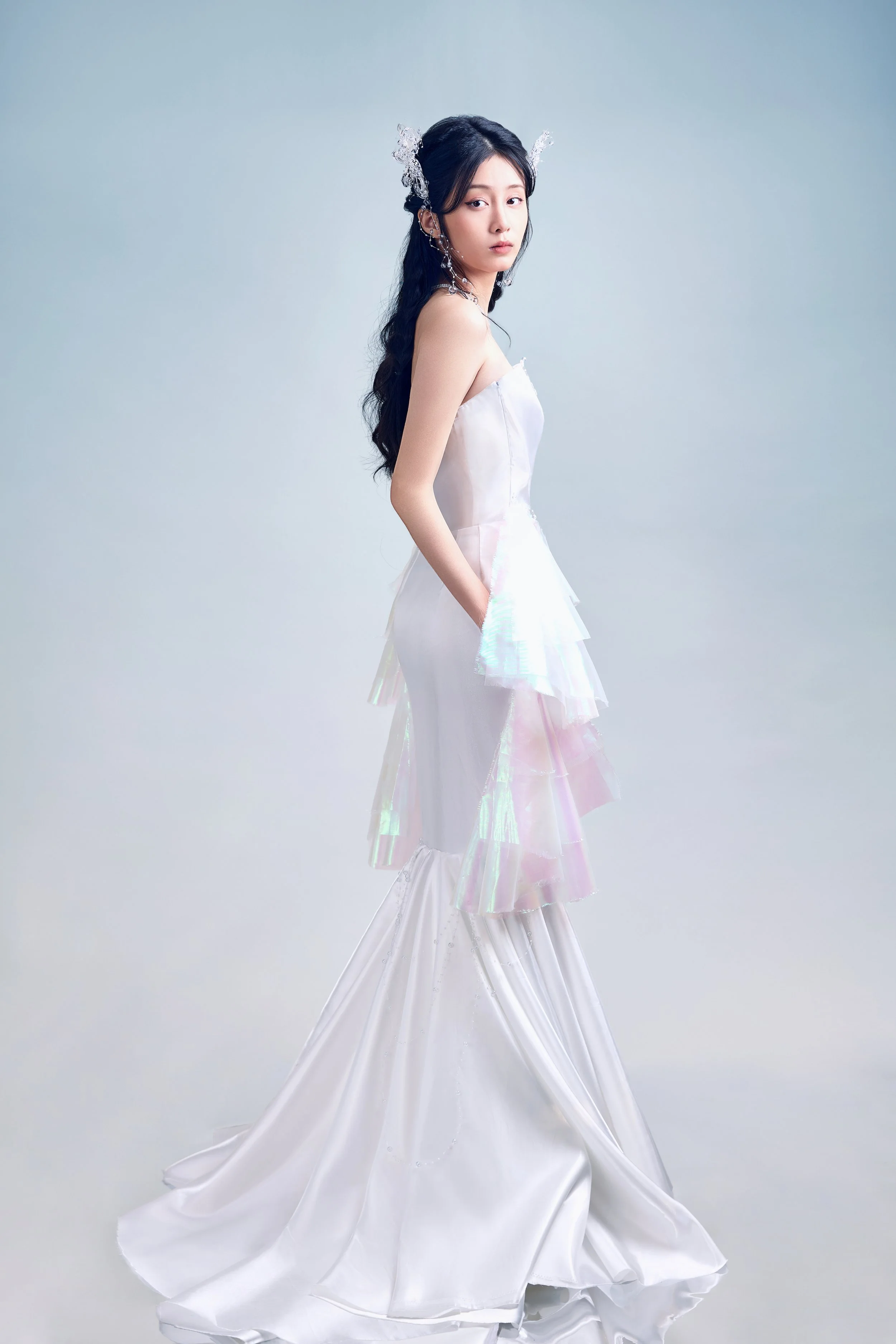
Personal branding headshots aren't just one photo — they're a library. A brand session produces headshots, lifestyle portraits, environmental shots, detail images, and social media content. The goal is a cohesive set of images that can fill an entire website and three months of social posts.
What makes them work:
Variety with consistency. Multiple outfits, locations, and crops — but a consistent color palette, lighting style, and overall mood that ties everything together. When someone visits your website, every image should feel like it belongs to the same person and the same brand.
Real-world context. Branding photos often include images of you working — at your desk, on a call, writing, gesturing, walking. These "in-action" shots add credibility because they show what you actually do, not just what you look like.
Multiple platform readiness. A single headshot can only go so far. A brand session produces images formatted for website heroes (horizontal), Instagram feed (square), LinkedIn banners (wide), and story content (vertical). One session, all your platforms covered.
Who needs this style: Entrepreneurs, coaches, consultants, founders, speakers, authors, and anyone whose business is built on personal reputation. See our personal branding sessions →
How to Choose Your Style
If you're still unsure which headshot style fits you, ask yourself three questions:
Where will this photo appear? A company website "About" page calls for corporate. A dating app calls for something completely different. A Psychology Today profile calls for warmth. The platform dictates the style.
What does your audience expect? If your clients are Fortune 500 companies, corporate is the right call. If your clients are creative agencies, a corporate headshot might actually work against you. Think about who's looking at the photo and what they need to feel when they see it.
What's your personality? The best headshots feel like the person. If you're naturally warm and expressive, a stiff corporate pose will look forced. If you're naturally reserved and precise, a big grin with teeth won't feel right. The style should match your energy, not fight against it.
The Most Common Mistake Across All Styles
Regardless of the category, the biggest mistake we see is headshots that are outdated. A photo from five years ago that no longer looks like you is worse than no photo at all. It creates a disconnect — and when people meet you in person and you don't match the image they had in their head, trust drops.
If people wouldn't recognize you from your current headshot, it's time for a new one. That's the only rule that applies equally to every industry, every style, and every professional level.
Luminous Space is a professional headshot photography studio in San Mateo, California, serving professionals across every industry and career stage. We offer corporate, creative, medical, legal, branding, and actor headshot sessions — all with professional posing direction, same-day proofing, and editorial-quality retouching. Book your headshot session →